
Engineered Controls to Reduce Silica Dust
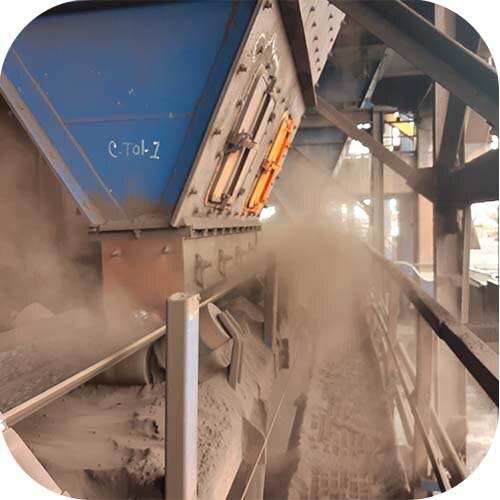
In mines, one of the most significant sources of dust is the belt conveyor transfer point.
Dust is generated as bulk material is transferred from one belt to another. When material is in free fall, it is exposed to significant airflow. This airflow, with enough velocity, carries silica dust until it slows and settles.
The most effective engineering control to reduce silica dust at conveyor load zones is to eliminate dust at the source.
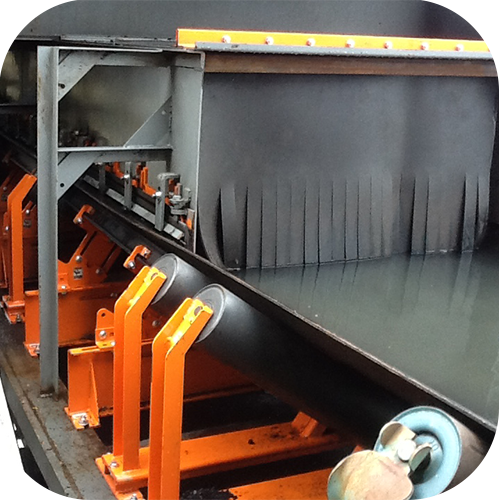
Air speed can be reduced through proper belt support, belt sealing, and installation of dust curtains. When mines reduce the air speed inside a properly designed transfer chute, the exposure for workers is greatly reduced.
MSHA recently introduced a rule that reduces permissible exposure limit (PEL) to 50 micrograms per cubic meter of air for a full shift, calculated as an 8-hour weighted average. To comply with this rule, facilities are required to use engineering controls to limit exposure.
SEE THE SOLUTIONS
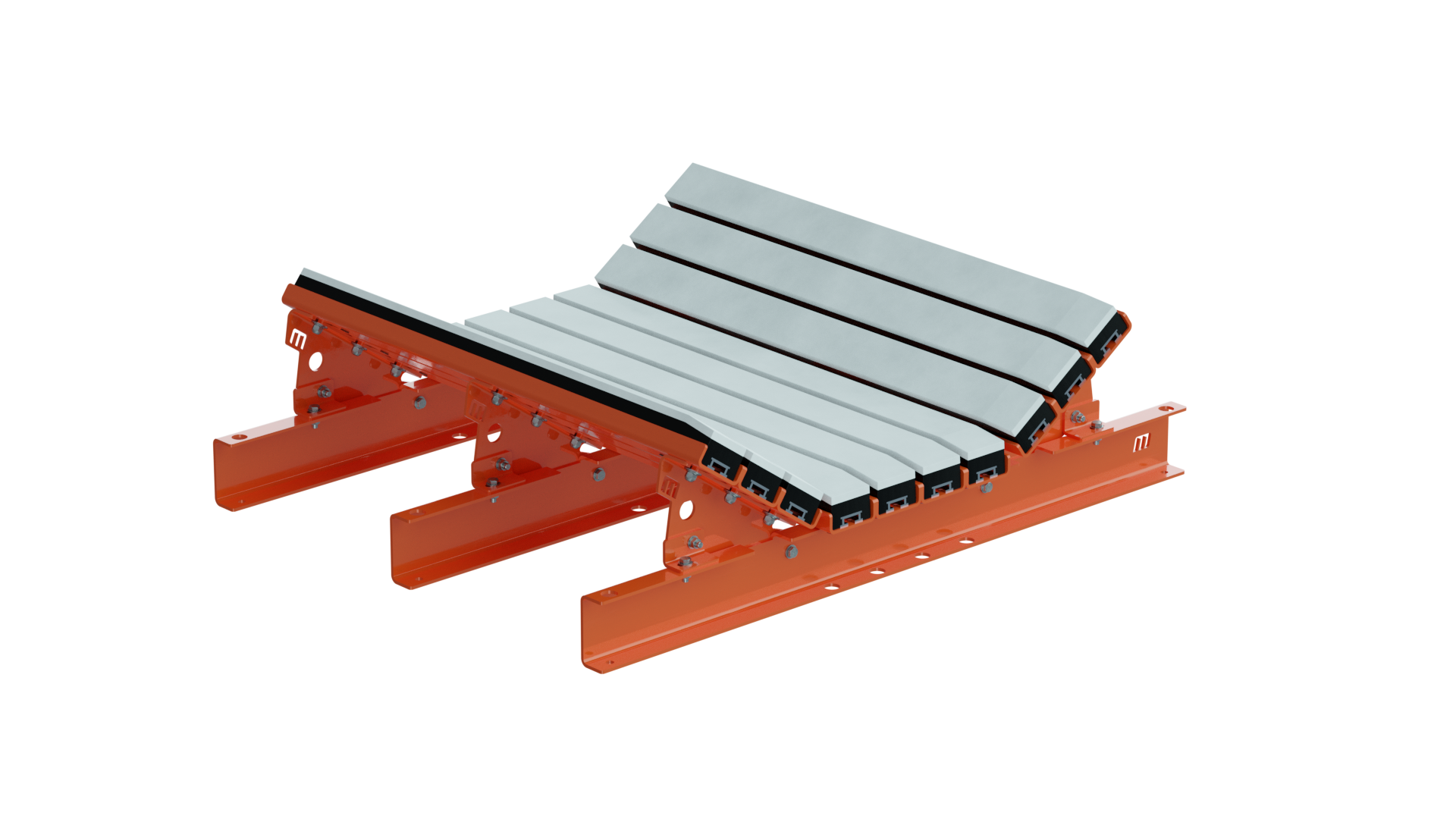
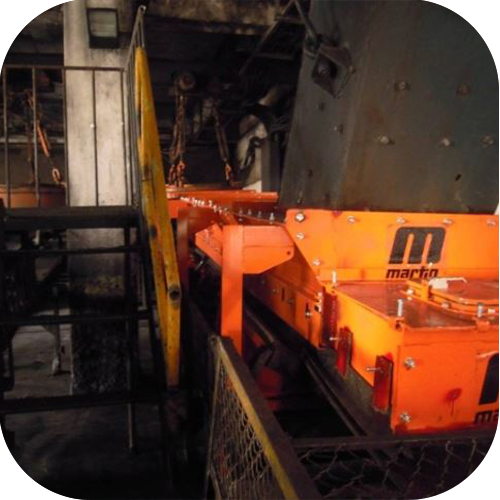
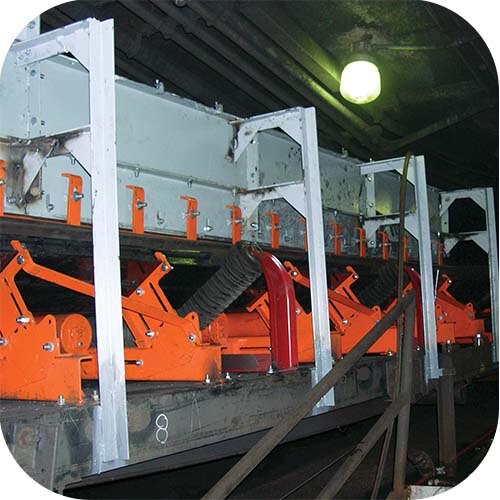
Belt support
By properly supporting the belt, the force of falling material is absorbed, reducing fugitive material and dust.
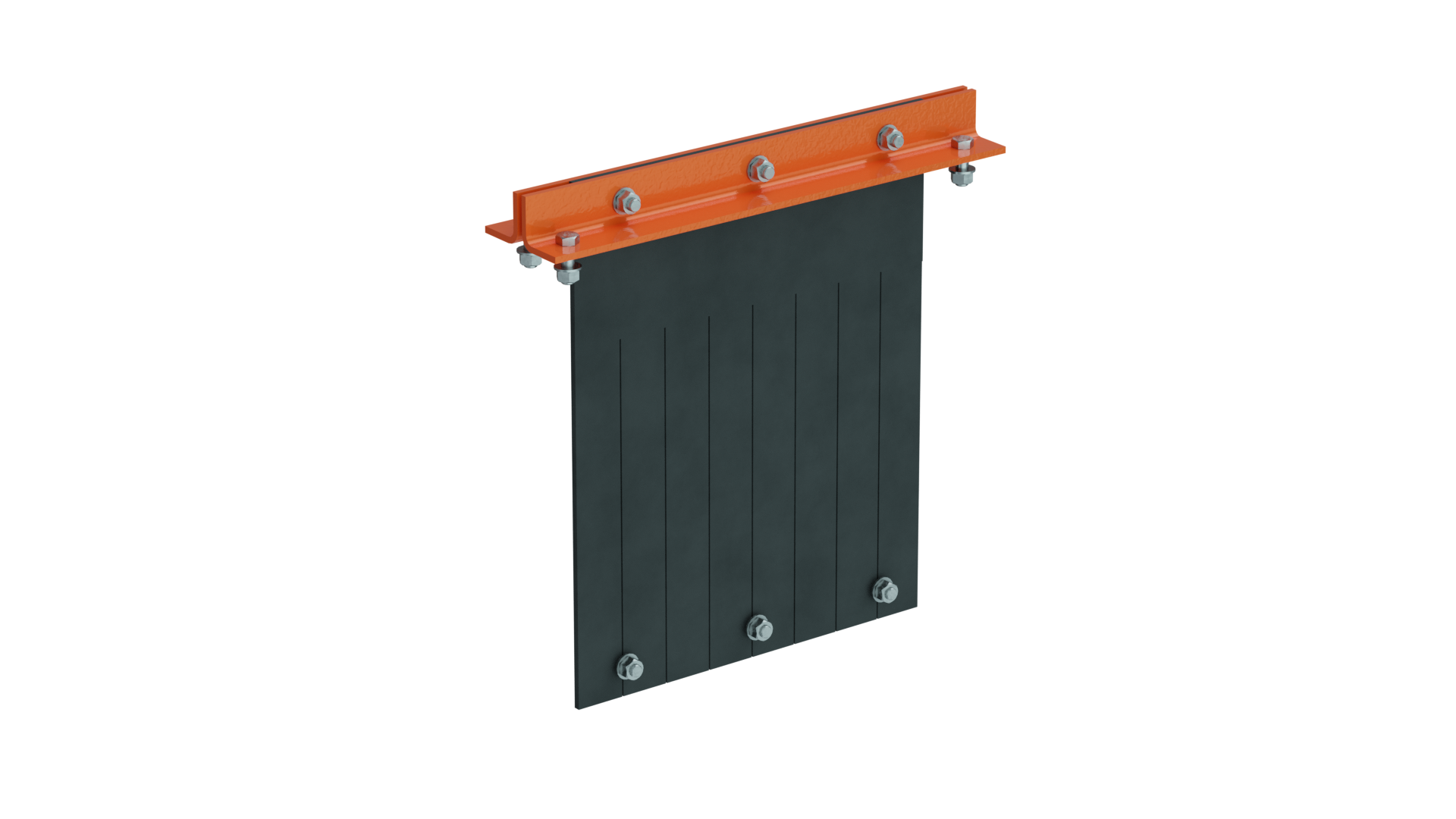
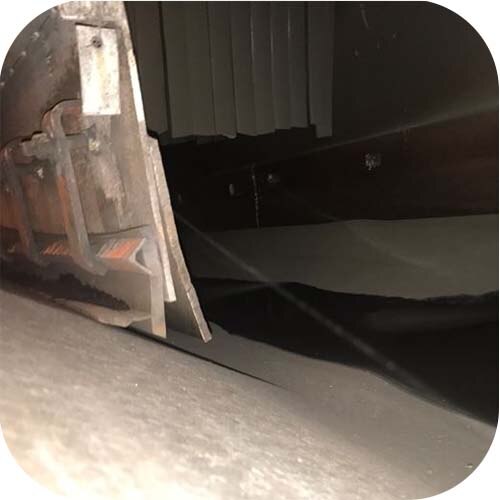
dust curtains
Installed inside the transfer point enclosure to slow airflow and allow airborne dust to settle into the material stream.
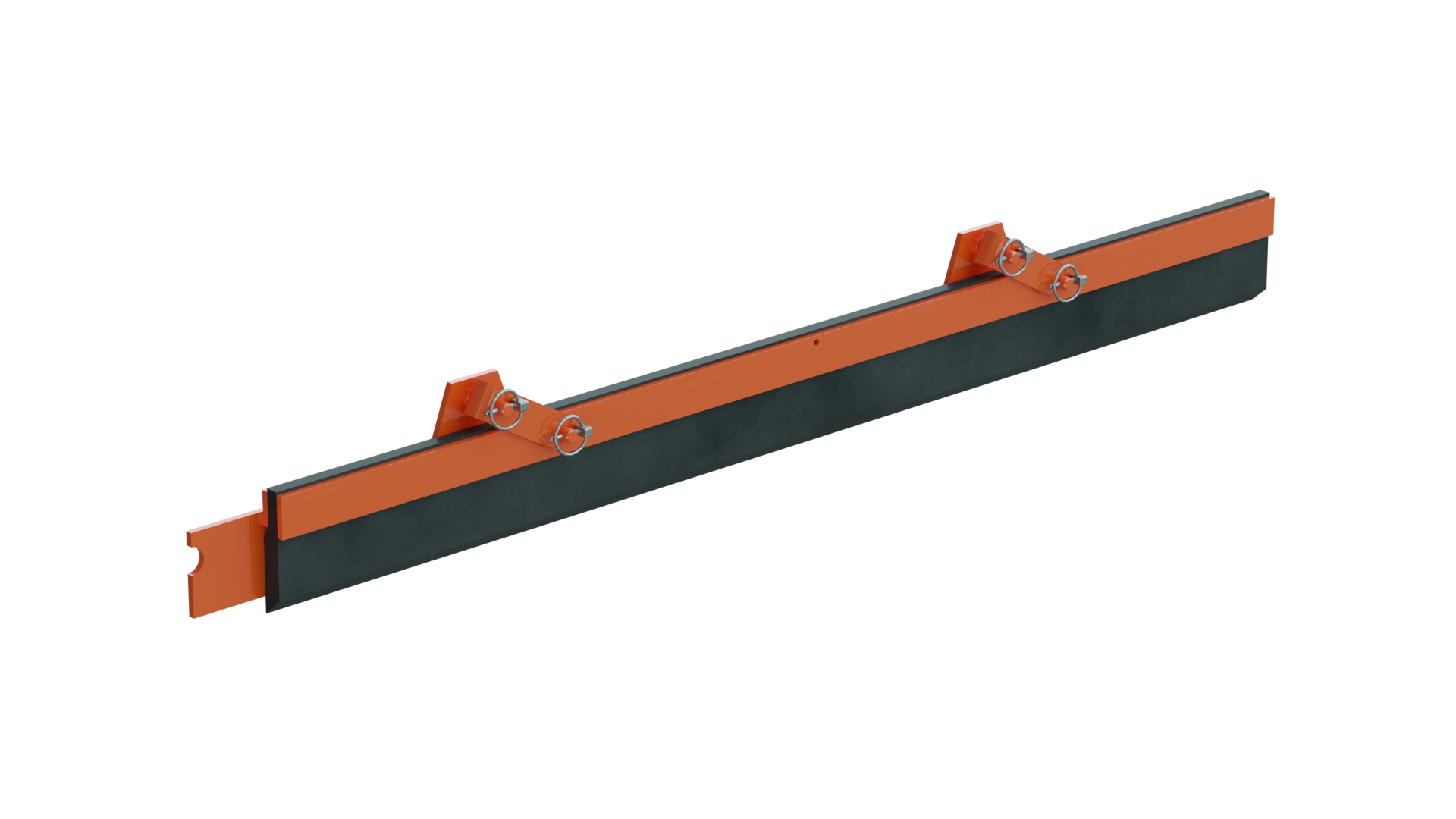
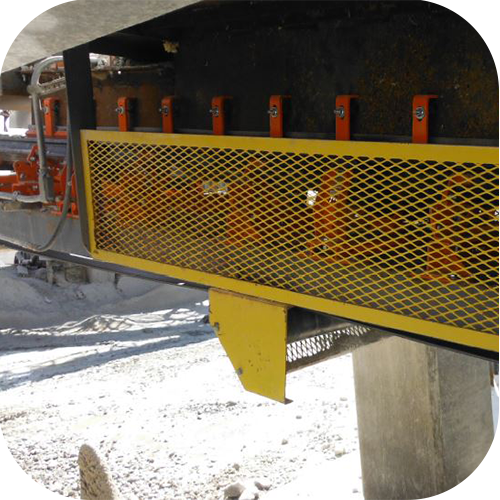
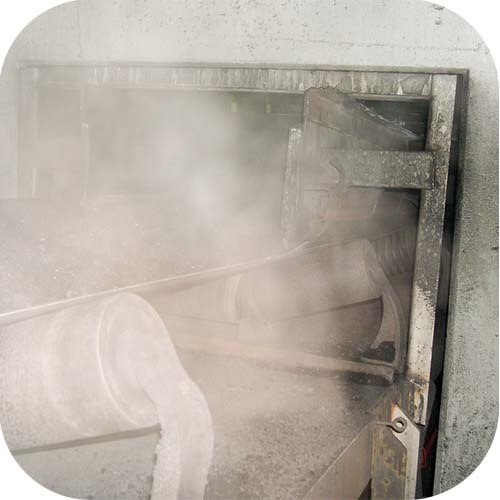
sealing systems
Engineered to create an effective seal and minimize fugitive dust and fine particulates from escaping the belt.
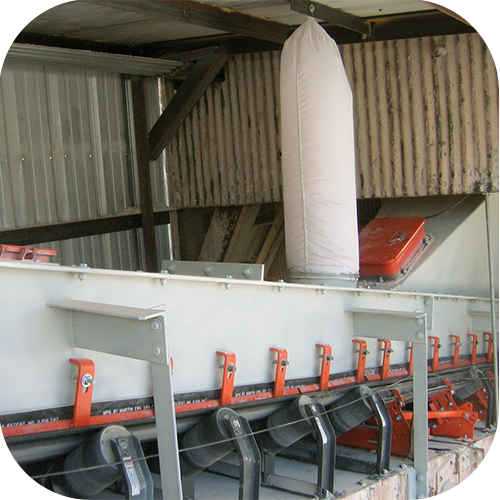
dust bags
A passive dust collection system that captures dust and returns it to the belt without an energy-consuming fan.
download the ebook!
Understanding Engineering Controls to Reduce Silica Dust
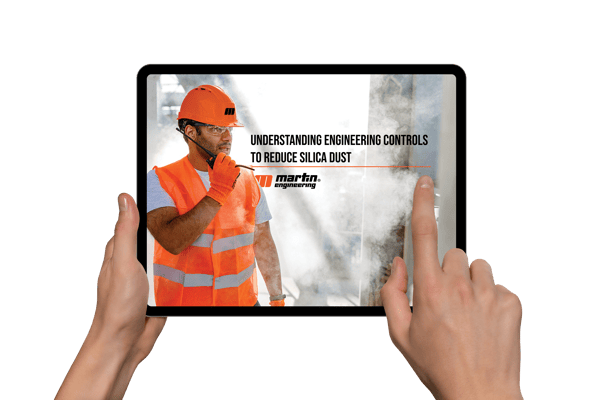
Dust can quickly get out of hand once it’s airborne. It not only decreases safety,
productivity, and morale - it draws the attention of regulatory agencies. Given MSHA’s
attention to the permissible exposure limit (PEL), we want to help operations understand
why and how to best combat silica dust.
Problem solved papers
Don't just take our word for it. See how these operations solved their dust issues and improved overall efficiency, safety, and productivity.
video resources
on-demand webinars
Learn more about controlling dust in convenient, in-depth, and captivating webinars presented by industry experts. Accessible 24/7 to suit busy schedules.
"Very good detail, technical backup, and real-world experiences discussed"
"Content was applicable and relevant to the safe operations of the conveyor systems at our facility"
"As always - great content well presented. Thanks for putting these webinars on"
blogs
Insightful and engaging blog posts detailing experiences in the bulk material handling industry. Get tips, tricks, and professional opinions on managing dust.
interactive model:
engineered controls to reduce dust at a transfer point